On Monday, Sen. Edward J. Markey (D-Mass.) introduced a package of federal bills aimed at addressing the growing health and economic impacts of climate change, with a particular focus on vulnerable populations and frontline workers.
The legislative package spans several areas, including maternal health, climate education, and expanded support to help older adults remain safely in their homes—an area of increasing importance as demand for care at home continues to grow.
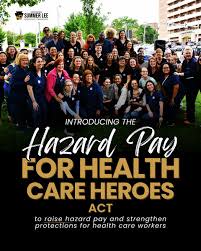
At the center of the proposal is the Hazard Pay for Health Care Heroes Act, which would authorize federal hazard pay for essential health care workers during declared public health or climate-related emergencies. Under the bill, the U.S. Department of Health and Human Services would be authorized to provide up to $25,000 annually in hazard pay, along with funding for personal protective equipment and safer transportation options.
“This legislation recognizes the real risks that health care workers take on—especially during emergencies—and the need to support them in a meaningful way.”
— Sen. Edward J. Markey
The proposal applies broadly across the care continuum, including workers delivering services in home and community-based settings, where clinicians and caregivers often operate independently and face unique challenges during emergencies.
The package reflects a broader federal effort to align climate policy with public health priorities and workforce stability. As climate-related events increase in frequency and severity, policymakers are placing greater emphasis on ensuring that care systems—and the workers who sustain them—are equipped to respond.