
From Power Partners to Local Expertise: Weiss outlines Strategy for Growth in 2026
From Power Partners to Local Expertise: Weiss outlines Strategy for Growth in 2026
Insights from Steve “The Hurricane” Weiss at the 2025 Home Care Symposium
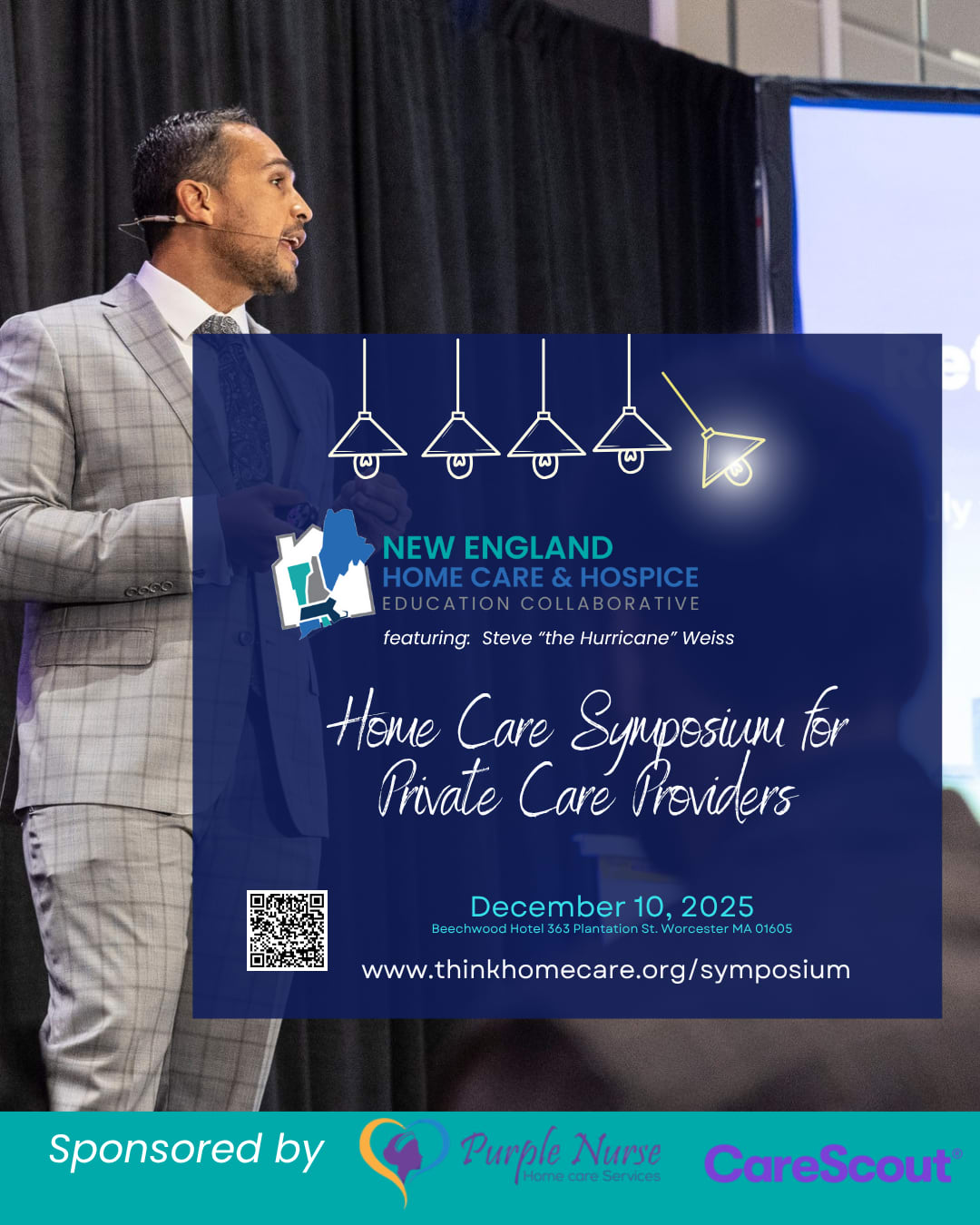
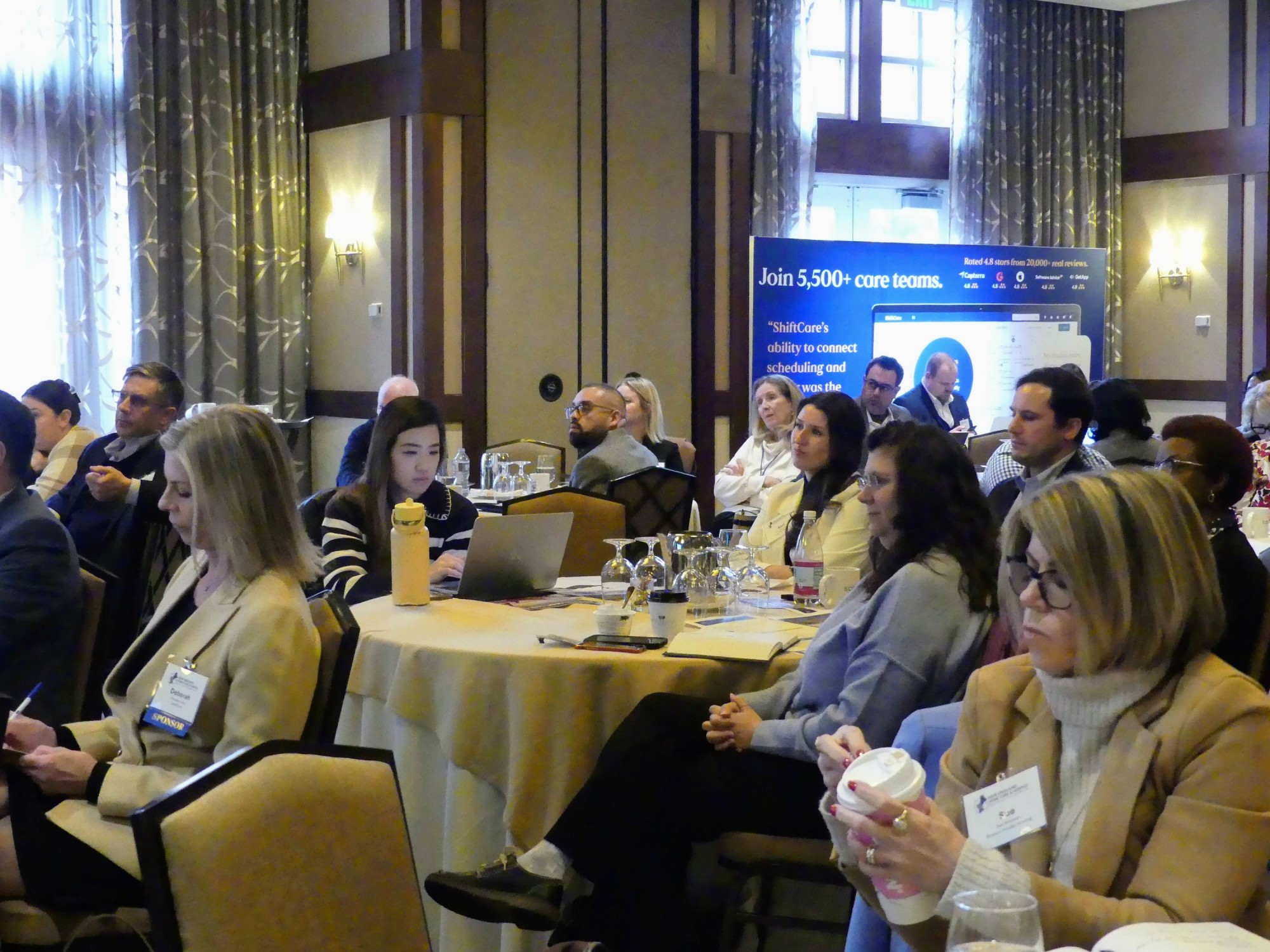
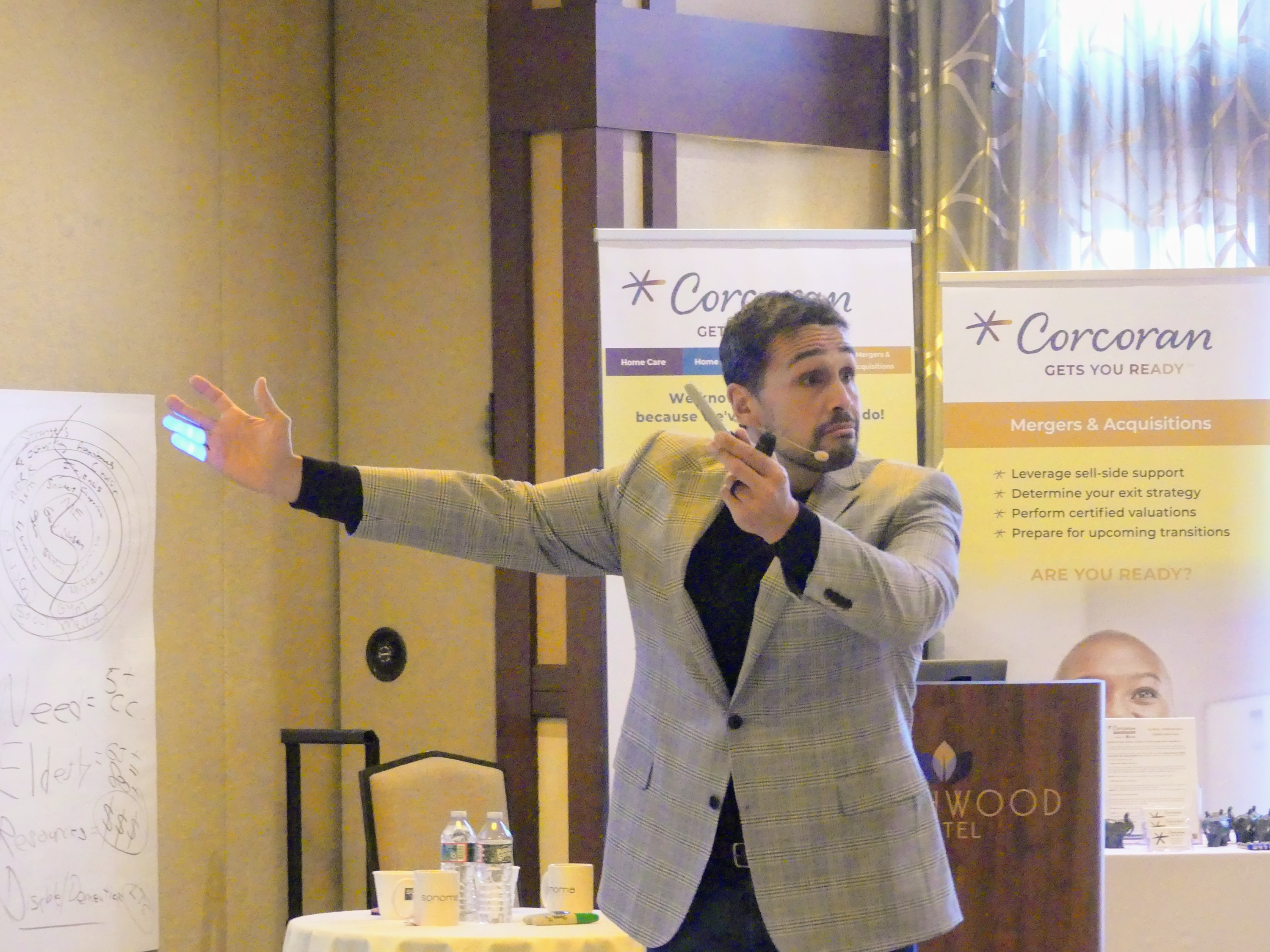
WORCESTER — At a time when private-pay home care agencies face rising demand, shifting expectations from families, and persistent workforce shortages, industry consultant Steve “The Hurricane” Weiss told providers Wednesday that growth will depend less on chance and more on discipline.
Presenting at the Home Care Symposium, Weiss outlined a data-driven framework for agencies seeking to build a stable private-pay census capable of sustaining $10 million in annual revenue. His message was direct: agencies must sharpen their focus on who they serve, how they market, and where their referrals come from.
At the center of his model is a profile he calls N.E.R.D., representing clients with high medical and functional needs, typically older adults with multiple chronic conditions and the financial means to pay for sustained in-home support. These are patients who require daily assistance, family oversight, and longer stretches of continuous care. “These individuals aren’t short-term customers,” Weiss said. “They’re people who need help every day, often for the rest of their lives.”
 |  |  |
He argued that agencies concentrating on this group can stabilize operations and better manage workforce demands. Demographic estimates suggest that for every one million residents, roughly 6,000 such clients exist—far more than most agencies currently serve. Even smaller markets, he noted, hold more opportunity than many providers realize.
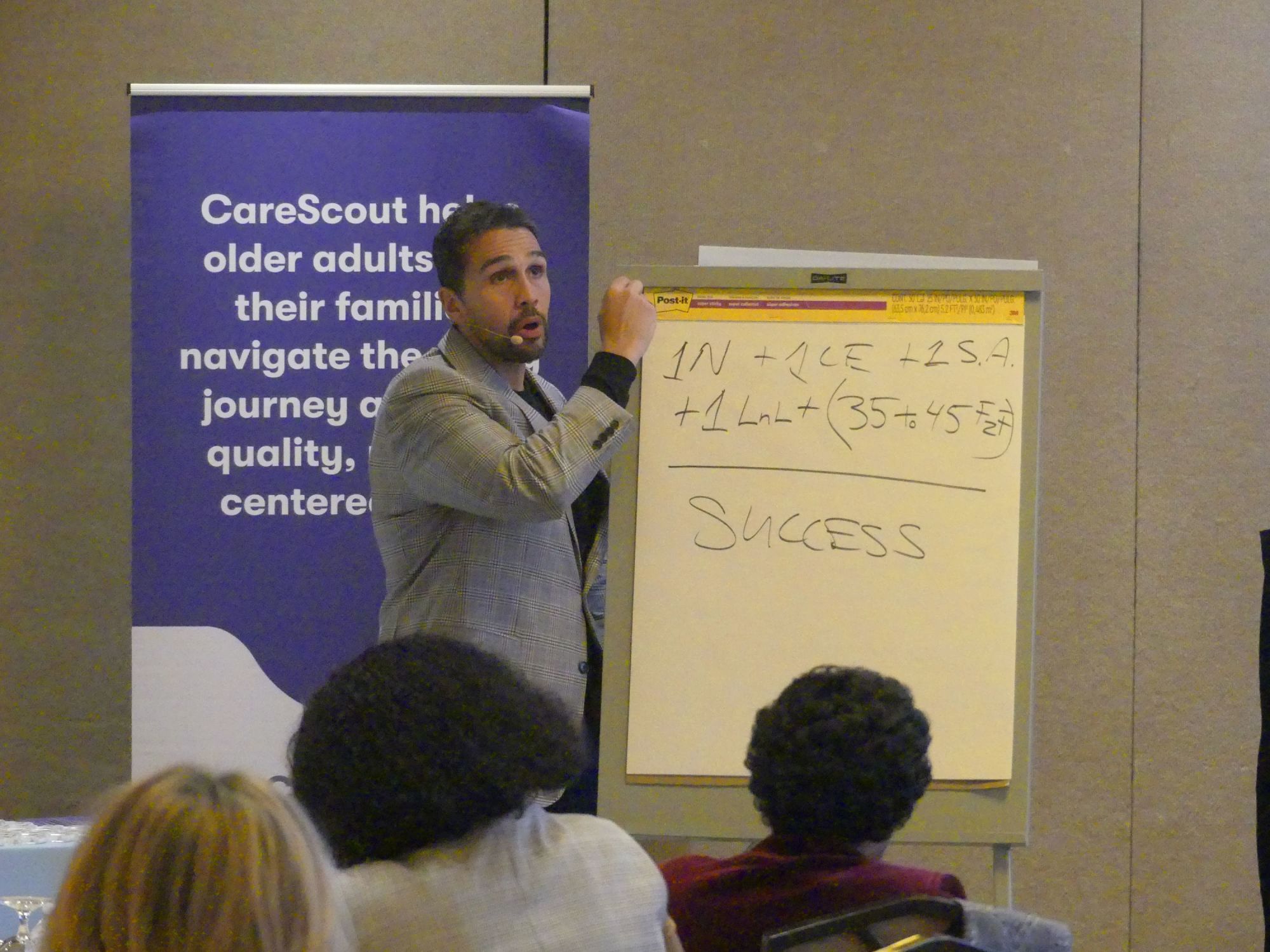
Weiss paired his demographic analysis with a blunt mathematical assessment: at an average rate of $30 an hour, an agency would need about 165 active clients, each receiving roughly 40 hours of service per week, to reach the $10 million mark. Because clients cycle on and off service, he said agencies should expect to start care for about 300 clients annually, which requires roughly 900 referrals.
Those referrals, Weiss emphasized, will not materialize on their own. Hospitals, rehabilitation centers, skilled nursing facilities, and long-term acute care hospitals remain essential sources. But he said the most consistent growth often comes from “power partners”: other home-based providers — particularly Medicare-certified home health agencies and hospice programs — that routinely encounter families needing additional non-medical support.
To manage this volume, Weiss recommended dedicating three full-time marketing representatives, each responsible for maintaining relationships with 20 to 25 referral accounts. Regular communication, predictable follow-up, and clear expectations, he said, separate high-producing agencies from those that plateau.
 |  |  |
While the numbers may seem ambitious, Weiss told attendees that the demand for private-duty care is only increasing as the state’s population ages and more families choose to avoid institutional settings when possible. “The clients are there, the need is there,” he said. “Success comes from knowing your market, tracking the right metrics, and showing up for the partners who trust you with their patients.”
The message landed in a room of agency leaders grappling with both the promise and pressure of a sector in transition. If Weiss is right, the road to growth is less about dramatic reinvention and more about consistency — steady outreach, clear priorities, and a willingness to pursue the kinds of partnerships that can sustain care at home for the state’s most vulnerable residents.